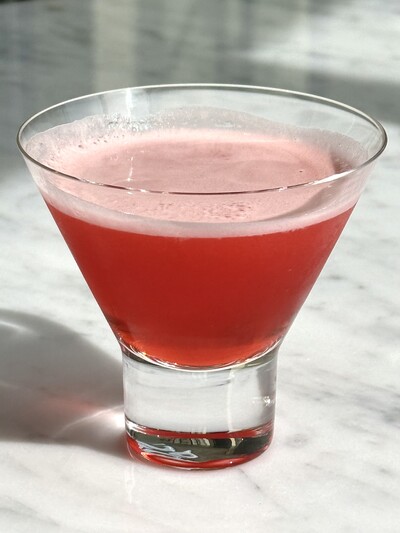
Shakerato
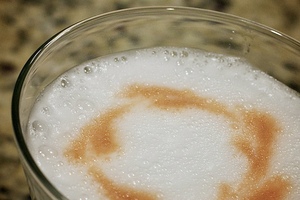
About a year ago, YouTuber Anders Erickson posted a video in which he whipped up a Campari Shakerato—a single ingredient “cocktail” that is really more of a technique than an
About a year ago, YouTuber Anders Erickson posted a video in which he whipped up a Campari Shakerato—a single ingredient “cocktail” that is really more of a technique than an

Imbibe Magazine’s most recent July/August 2022 edition features highballs—the elongated, tall style cocktail often associated with sparkling mixers and sometimes lower alcohol than other shapes. With several refreshing examples to
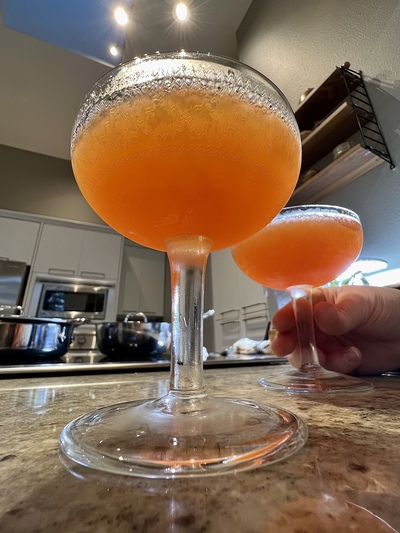
Way back in December of 2010, we wrote about a cocktail to commemorate the Wright brothers first flight at Kitty Hawk. That drink was the Paper Airplane. Back then, we
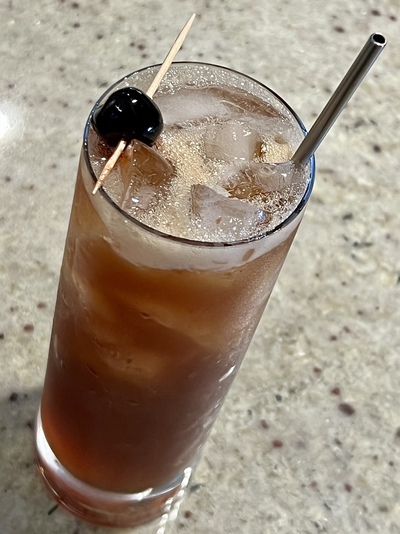
We were thumbing through the excellent book, Death & Co. and for some reason, this cocktail caught our attention. We immediately recognized the name, but it took a few moments

Like everyone else, we first learned about this drink from Jeffrey Morgenthaler. The Jägerita, created by David Cordoba more than a decade ago, is surprisingly delicious despite how it sounds

Here is a cocktail we first discovered years ago in the comments of a post on Paul Clarke’s Cocktail Chronicles. A lot has changed in the intervening time. Paul is
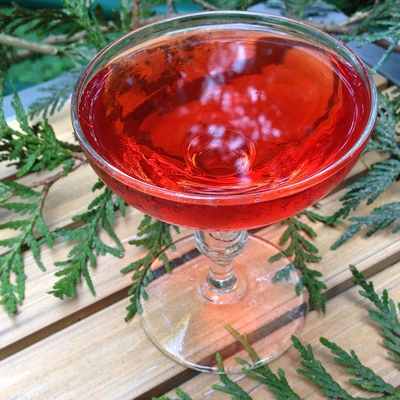
There’s a restaurant on Southeast Division Street in Portland, Oregon called The Woodsman Tavern. The charcoal-fired local fare as well as the decor pays homage to Pacific Northwest traditions and
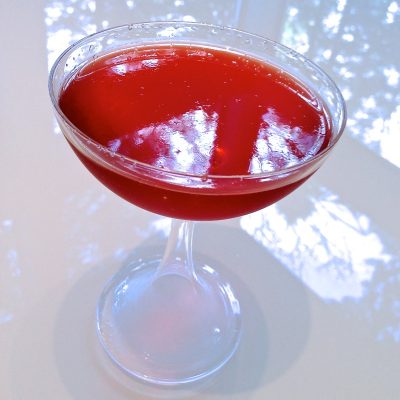
When we first saw the ingredients for this cocktail at The Violet Hour in Chicago, we couldn’t bring ourselves to order it. It seemed just too over-the-top with bitter ingredients.
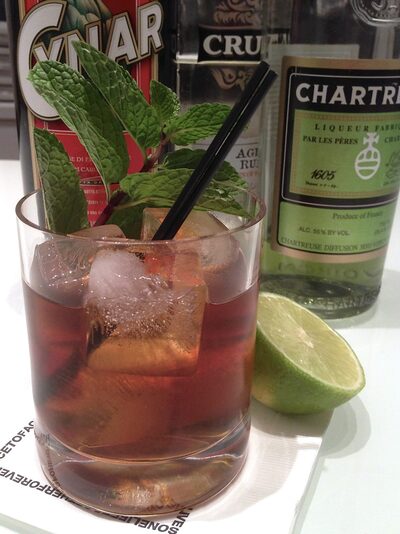
Pursuing a casual interest in cocktails will lead you through some delicious modern recipes and most of the classics. In fact, many cocktail books, either by way of documenting recipe

Some of you may recognize the name of this cocktail as another Brooklyn neighborhood. That’s because it’s one of the variations of the Brooklyn cocktail, one of several modern recipes
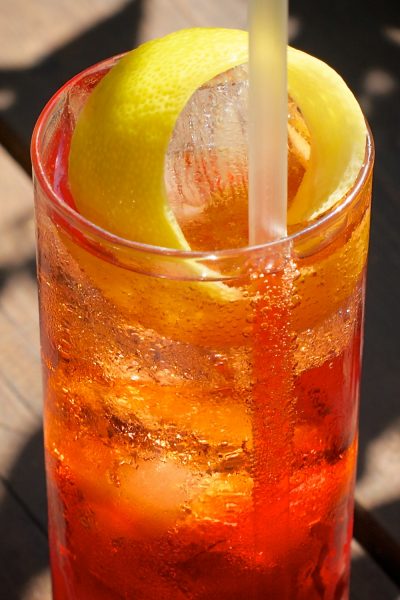
Some time ago when we featured the Negroni as our Drink of the Week, we included the Americano as a bonus recipe. Today, we’d like to give the Americano its

Here’s a great and somewhat unusual cocktail for those of you looking for a spirit-driven tipple that’s a bit out of the ordinary. It comes by way of Ben Dougherty