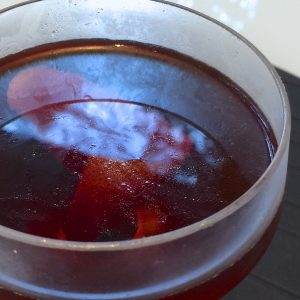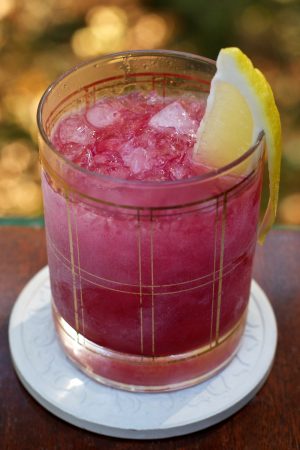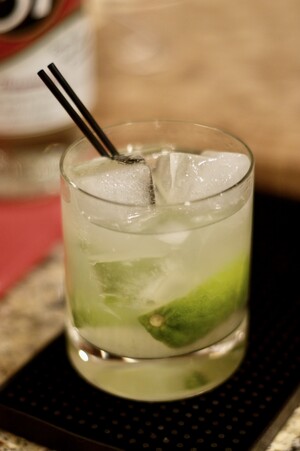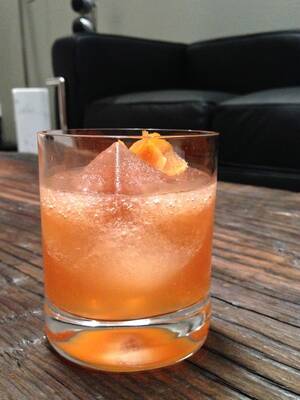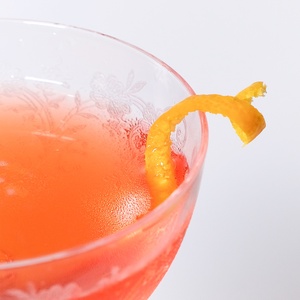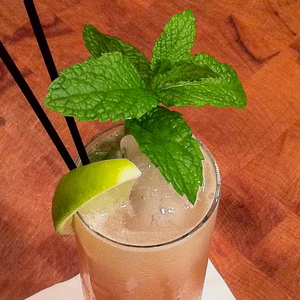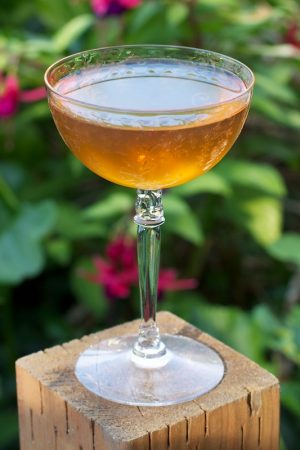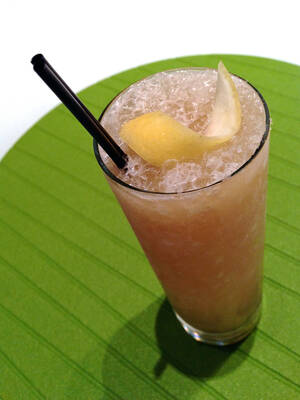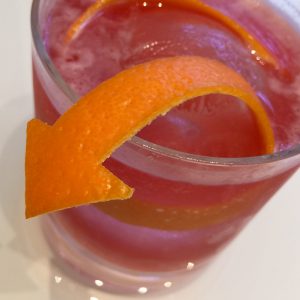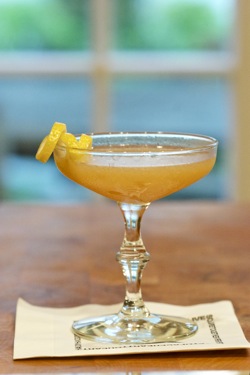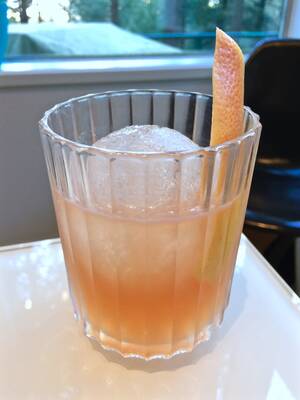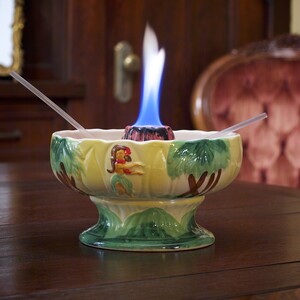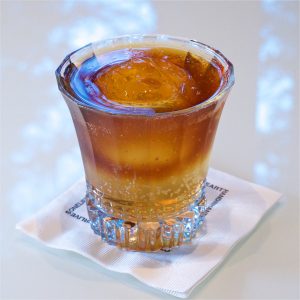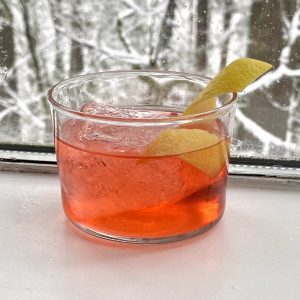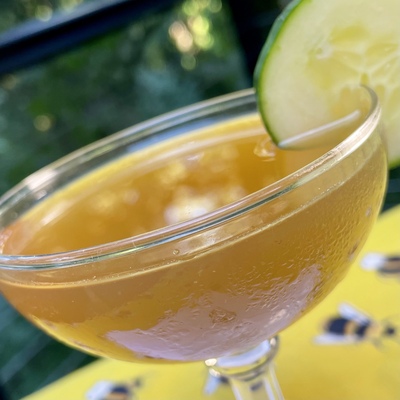
With everything going on lately related to the World Cup, there’s a completely different Cup that gets pretty popular this time of the year. Take your mind away from soccer (or football, if you prefer) for a moment and consider the fact that Wimbledon is just around the corner. Like Kentucky Derby goers with their Mint Juleps, everyone at Wimbledon seems to enjoy one refreshment while they watch men and women chase the fuzzy yellow ball around the grass courts. That drink is the Pimm’s Cup.
Many people on this side of the Atlantic have never even heard of the Pimm’s Cup, let alone Pimm’s No. 1, the key ingredient. Maybe you’ve seen the reddish tea-colored bottle on a bar shelf, or perhaps you even own some but you’ve never known what to do with it. What exactly is Pimm’s No. 1 anyway, and what happened to No. 2 and 3 for that matter?

James Pimm
Pimm’s No. 1 is a gin-based liqueur flavored with spices and herbs. Created in 1823 by James Pimm to be served at his oyster bar in London, the Pimm’s Cup became so popular that he eventually started bottling the main ingredient following a secret recipe. Weighing in at only 50 proof, Pimm’s No. 1 is not a strong spirit, making the Pimm’s Cup the ideal hot summer refresher—and allowing thirsty fans to indulge in more than one. A “cup” is actually a style of drink usually mixed up in a bowl with fruit, similar to sangria only using hard spirits instead of wine. There is a Pimm’s No. 2, 3, 4, 5, 6 based on other spirits such as Scotch, brandy, rum and so on, but these less popular versions are seasonal or have been phased out. When people talk about Pimm’s, they mean Pimm’s No. 1.
The basic recipe is a combination of Pimm’s and lemonade, but the problem with that description is that in England, lemonade is what Americans would call
Click here and take a bigger gulp of this article →
  Subscribe to Summit Sips


My wife likes to call New Years Eve, Amateur Night, because she works downtown Minneapolis every day. It’s perhaps acceptable to surrender the city on this night—of all nights—to people who might not otherwise be as familiar with one-way streets and tall buildings. Combine celebratory drinking with a crowd not used to driving downtown along icy streets at night and you are bound to create a few problems. Similar issues can arise when you host a party, whether it’s Amateur Night or otherwise. One way to avoid a problem is to offer your guests a selection of alcohol-free cocktails. I’m not talking about water (which you should have anyway), soft drinks and juice. I am talking about actual alcohol-free cocktails that are every bit as fun to make and as tasty to consume as their judgement-impairing counterparts.
Most Popular