Penicillin
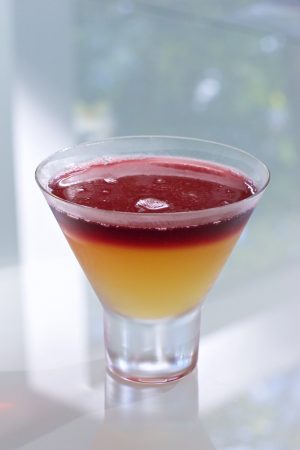
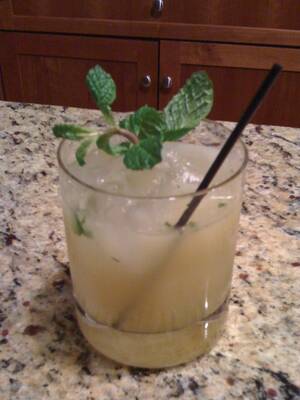
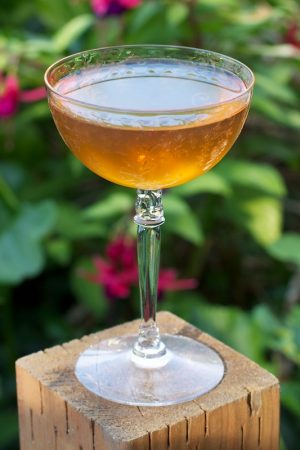
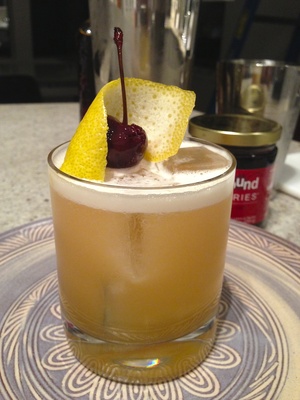
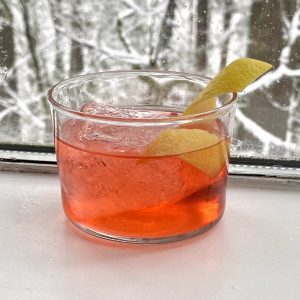
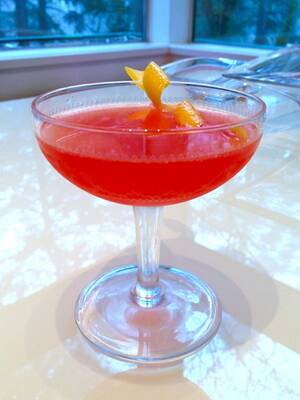
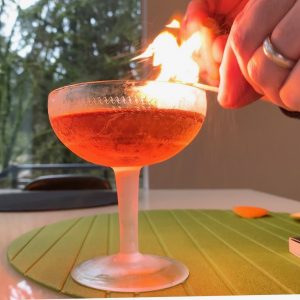
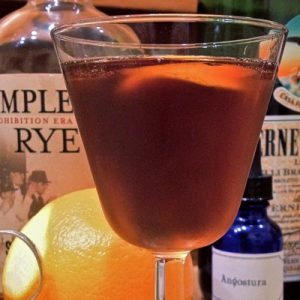
It’s not going to cure the global pandemic, but the Penicillin cocktail by New York’s Sam Ross can make you feel better about making cocktails at home. It is a
It’s not going to cure the global pandemic, but the Penicillin cocktail by New York’s Sam Ross can make you feel better about making cocktails at home. It is a
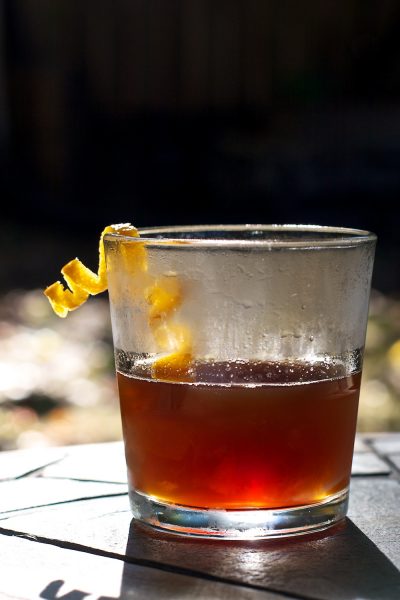
Here’s a nice cocktail to drink while curled up next to the fireplace. It’s big and bold, salty and sweet, and a little bitter too. You could say it’s everything
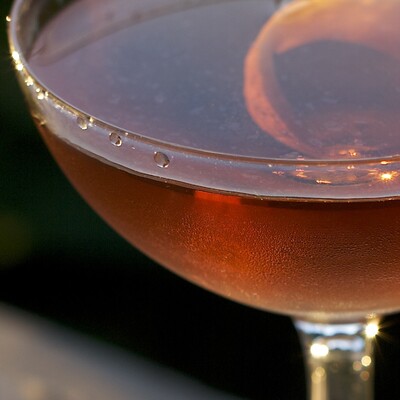
There aren’t a lot of cocktails that feature Scotch as the base spirit, and because of that, you don’t find very many here at Summit Sips. Over time, we’ll slowly
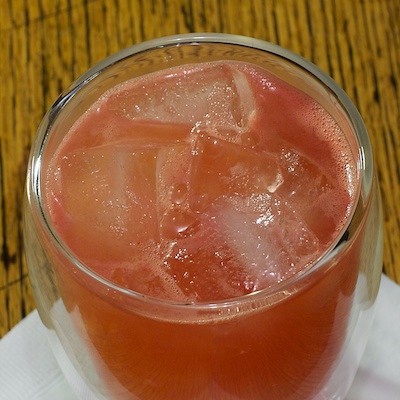
Not long ago, Esquire magazine posted a list of drinks for summer on their website. Among them was this recipe by Evan Zimmerman of the Woodsman Tavern in Portland, Oregon.
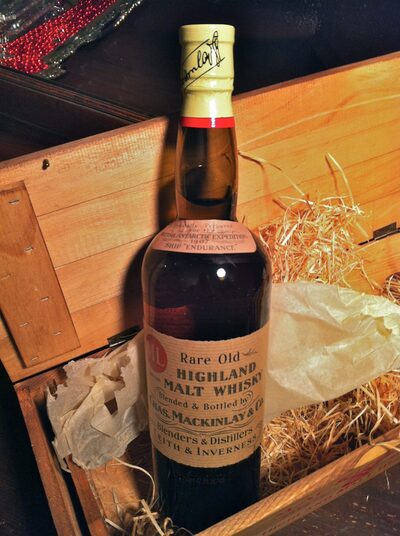
It’s that time of the year again when we choose a bottle to add to our collection of Scotch whisky. Over the years we have pulled together a small selection
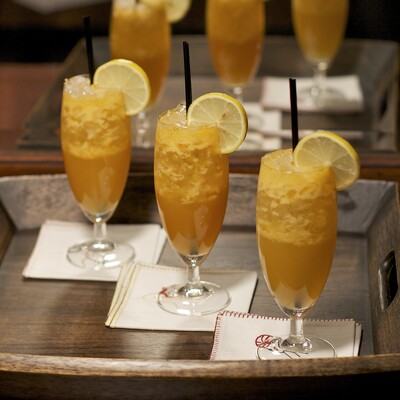
This Drink of the Week week is actually three drinks in one. The Eastern Sour is the first of a small family of sour cocktails invented by none other than

This week we feature a highball that is virtually unknown by most people, yet it is the foundation upon which many popular drinks are based. Our drink of the week
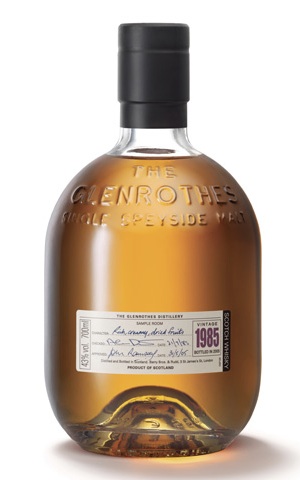
Each Christmas, we treat ourselves to a new bottle of Scotch Whisky. It’s a tradition we have sustained for a few years now, and something we highly recommend. We don’t
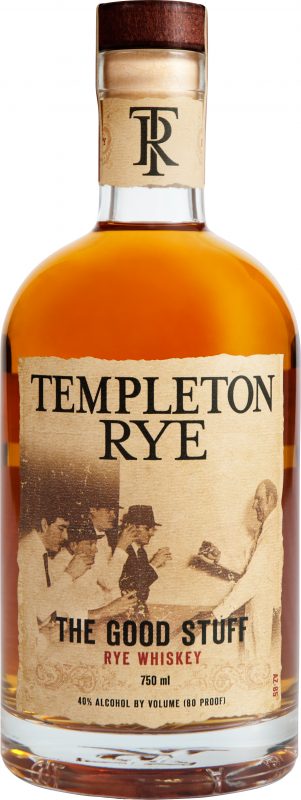
It’s Whiskey It may seem like a broad category with all of the different styles made throughout the world, but once you understand the basic steps of production, whiskey isn’t

We would hardly call ourselves wine experts, and yet we probably know enough to navigate a decent wine list. More important is getting to the point of knowing the flavors
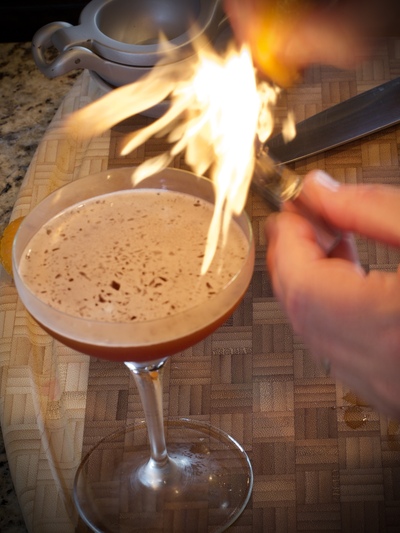
You just don’t find many cocktails made with Scotch whisky. Perhaps it’s hard to produce combinations that work well together considering the prominent flavors that are typical of any good
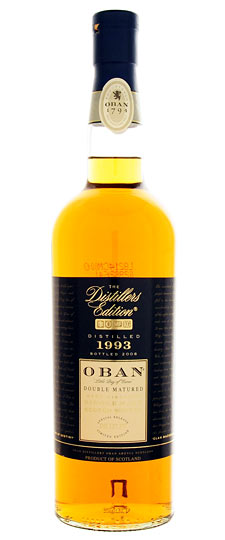
When we think of tradition, it’s usually related to the holiday season. We suspect for most people, the traditions they follow get passed along year after year from family. We