|
|
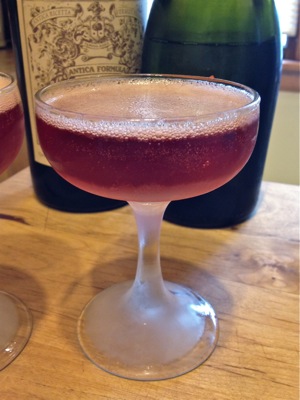
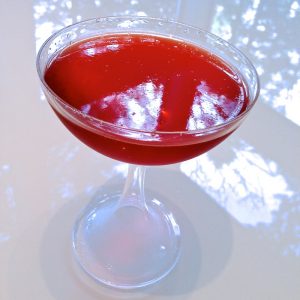
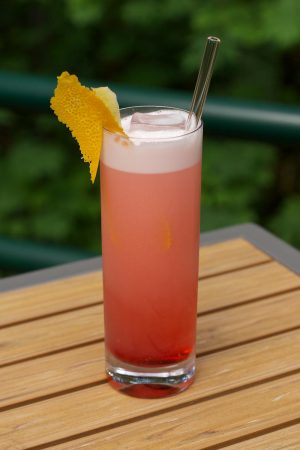
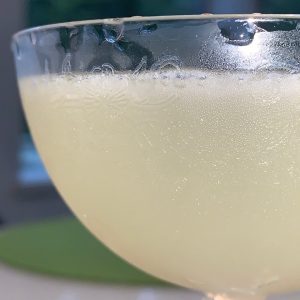
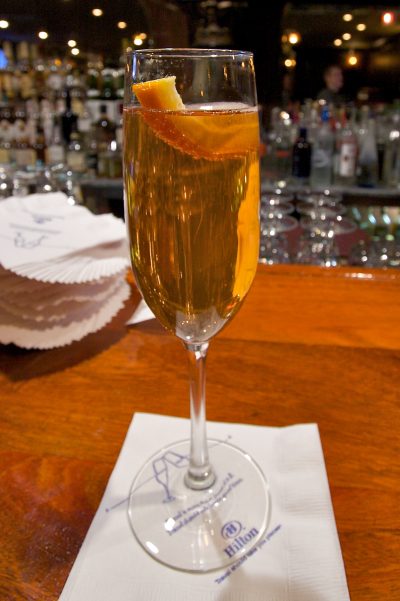
 I’m not sure where I read it, but I have long believed that it’s a good idea to always have a bottle of champagne chilling in the refrigerator. You just never know when a special occasion will present itself, or when someone will share news that is worthy of celebration. Sometimes, however, not everyone wants to drink bubbly, or perhaps you think it’s time to swap that bottle for something new. Whatever the circumstance, it’s never a bad time to open a bottle, and sometimes sharing a round of champagne cocktails is enough of an excuse. This week, I want to share the French 75, a wonderful twist on the Collins that is perfect for warm summer nights.
The French 75 is named for a French-made 75mm artillery canon that saw widespread use in World War I. It’s revolutionary recoil design allowed rapid firing without the need to reposition
Take a bigger gulp of this article. . .
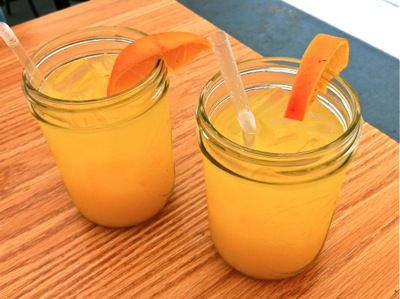
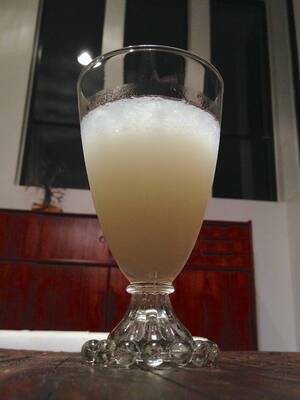
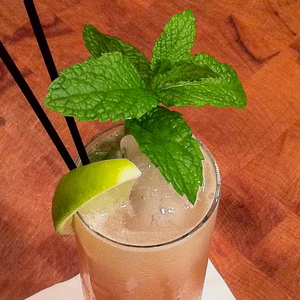
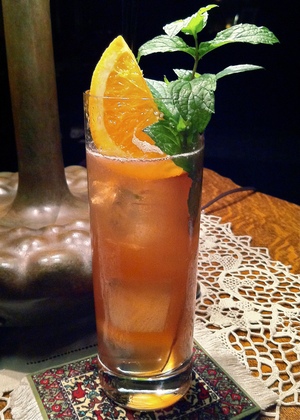
Those of you who live in the Twin Cities might already know that this Sunday is Grand Old Day, the largest one-day festival in the midwest that takes place every June along St. Paul’s Grand Avenue. It’s a fun time with a parade, lots of food, music, art, sporting events and so on. They even created their own iPhone app for the event. What does all that have to do with the Drink Of The Week? Well, as a St. Paul resident, I like to host a backyard barbecue every year to coincide with the huge festival, and for several years running I have served a rum punch—in fish bowls, no less! This year is no exception, but instead of my regular basic fruit juice medley, I decided to make an honest-to-history punch that would make Jerry Thomas proud.
So, who’s Jerry Thomas, you might ask? Only the most
Take a bigger gulp of this article. . .
 
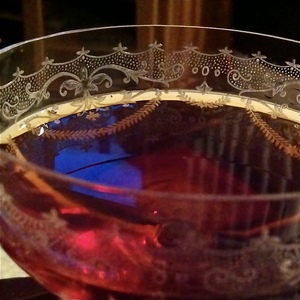
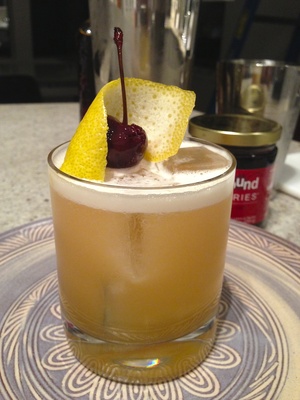
A few weeks ago I posted a teaser about our upcoming tour of the Kentucky Bourbon Trail®. Well, it’s time to kickoff the bourbon trail series starting with a special Drink Of The Week and a perfect start to our exploration of Kentucky bourbon country. Click here to see all of the Kentucky bourbon posts on one page. New posts will be added over the next few days so you can see how the trip progressed. The first destination of our tour was the Seelbach Hotel in Louisville, KY.
The History
Listed on the National Register of Historic Places, the Seelbach Hotel is a perfect example of gilded-era luxury and beauty which recently underwent a $12 million restoration. Its turn-of-the-century Beaux Arts Baroque style served as the backdrop for Tom and Daisy Buchanan’s wedding in F. Scott Fitzgerald’s The Great Gatsby. Once a fellow resident of St. Paul, the famous author had plenty to describe of this 1905 location that is still considered the premier hotel of Kentucky. I should also mention that the drinks are good too!
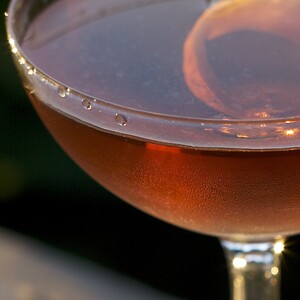
The Seelbach cocktail is named, of course, for the Seelbach Hotel where it was created and served in the early 1900′s. However, it disappeared during Prohibition—a time when the hotel was not allowed to serve it. Without a speakeasy, the recipe was lost and forgotten until it was rediscovered in 1995. At long last, the recipe is finally available and was first printed in the book, New Classic Cocktails by Gary and Mardee Regan.
Click here and take a bigger gulp of this article →
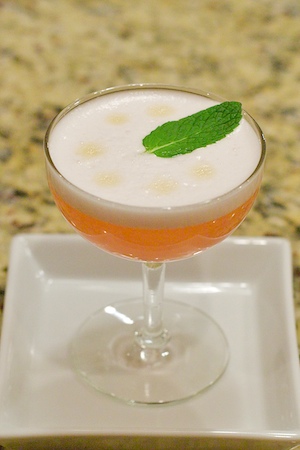
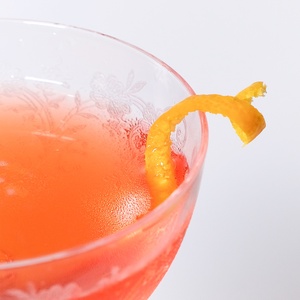
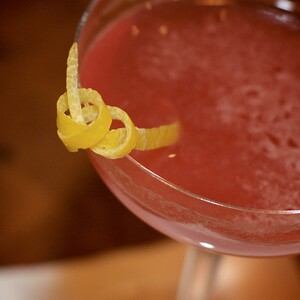
 This week, I am doing something a little different. I will give you the recipe for a cocktail to enjoy, but St-Germain isn’t the name, it’s an ingredient. Although it has been around for a few years now, I find that most people have still never heard of it—unless you are a cocktail geek like me.
So, what is this St-Germain stuff? Magic Elixir? Nectar of the Gods? Secret potion? Actually, you might say it’s all of the above. St-Germain is a new liqueur made from fresh elderflower blossoms. The elder, or more specifically, the European Black Elder grows throughout Europe, northwest Africa and southwest Asia. From the foothills of the Alps, the spring flowers are hand-picked and brought to the distillery where a secret process is used to extract their essence. The production of the liqueur combines old world techniques and ingredients with new processes that ensure quality and consistency. Production is limited and vintage bottles are individually numbered.
The use of elderflowers is not a new concept. Elderflower cordial is actually quite easy to make and has been enjoyed by europeans for centuries. However, the cordial is often very sweet—sometimes requiring ten-to-one dilution with water or soda—and inconsistent flavor strength makes it hard to use in a drink recipe. But, now that we have St-Germain, some very exciting cocktails have appeared.
Click here and take a bigger gulp of this article →
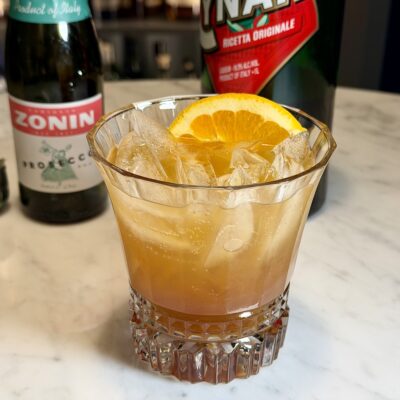
 These days, not many people can justify spending $100 on a bottle of wine, and for most of us, even $20 is enough to feel pretty uncomfortable. The same goes for cocktails. While retail establishments might offer drink specials to keep customer’s “happy” to spend an “hour” or more after work, it’s no surprise that the rest of us are spending more time drinking at home. So, how can the mixologist save even more when trying to build up a home stock? The short answer: Rum.
Retail Comparison
First, you need to consider the fact that bars and restaurants provide a lot more than just a markup on cocktails—they offer a service that includes mixing the drink (sometimes with expert precision), serving it in appropriate glassware, fancy garnishes, and an unbeatable selection of spirtits, modifiers and mixers that can be hard to match when you stay at home. Of course, they also clean up after your done! Clearly, there’s value in all of it, but if you like mixing cocktails yourself, you already take on that extra work and may find your limitations are inventory-related.
Stocking Your Liquor Cabinet
According to industry trends, hard alcohol makers may be immune to the price crunch due to brand loyalty. Customers are still willing to pay the established price for their favorite whiskey or gin—perhaps because it’s always cheaper to buy a bottle for home consumption than to buy a bottle’s worth of cocktails at a bar. Expanding your cocktail repertoire requires you to build your own inventory, but how do you do it on a budget? I recommend starting with a cocktail you love to drink, research recipes and buy the ingredients for it. Learn to make that one drink until you are ready to move on. Then, on whatever schedule fits your pocketbook, try another cocktail to add another spirit or liqueur to your cabinet. Over time, you’ll have a nice inventory and a good selection of cocktails to offer guests.
Directions To Grow
Once you have your favorites or a few classics under your belt, where do you grow from there? With so many bottles to choose from, there’s always a better version of your favorite spirit to try, or an unusual liqueur or amaro you may have missed, but some enthusiasts (and bar managers) are turning toward rum. Yes, that’s right. Good old rum. You might say that rum has earned something a reputation as the forgotten spirit.
Click here and take a bigger gulp of this article →
|
|
Most Popular