          
|
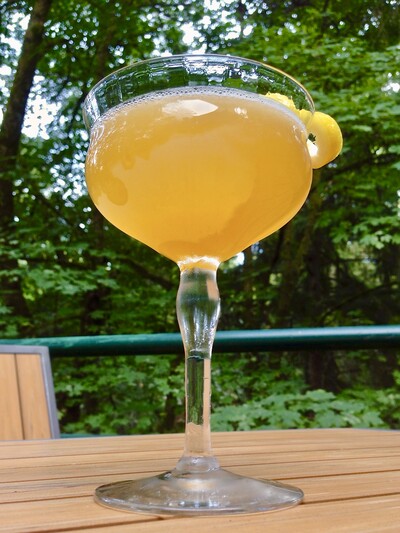
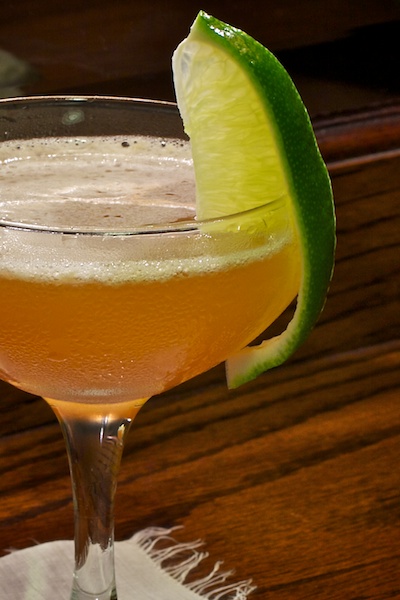
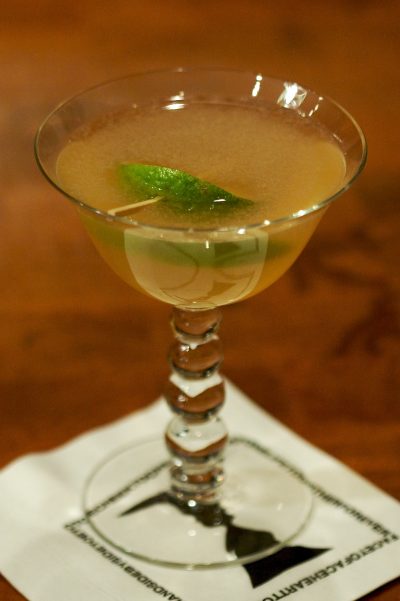
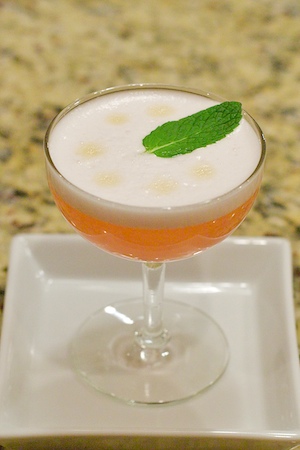
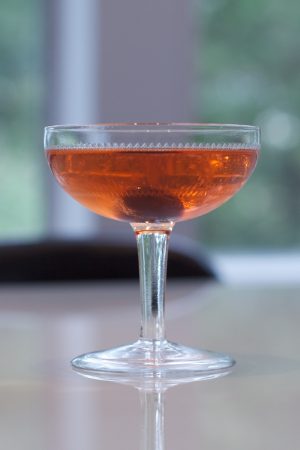
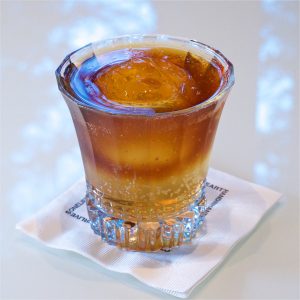
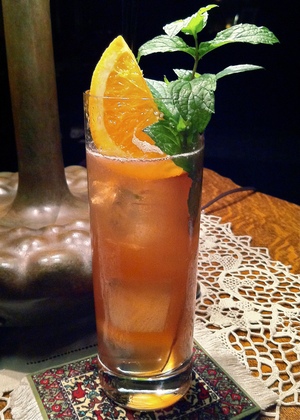
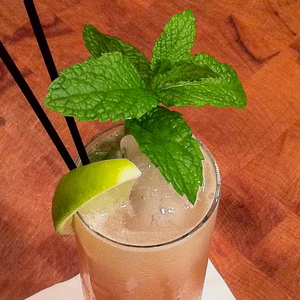
It's one of several drinks by this name which shouldn't be too surprising. Plenty of cocktails are inspired by sporting men, the sports themselves and often the events that bring them all together. One of the more popular venues in bourbon country is the Kentucky Derby where the Mint Julep is king, but it's not the only thing worth trying. At least that's what somebody thought way back when this was invented.
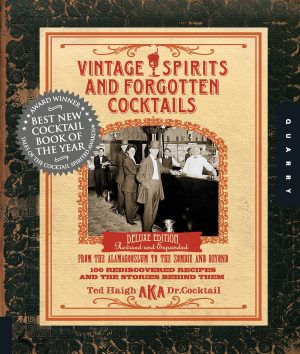
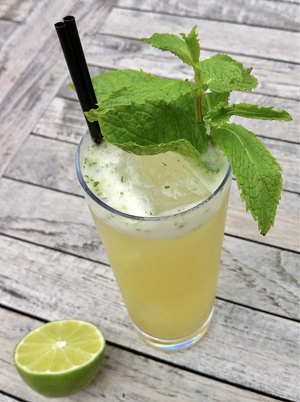
This version comes to us from Trader Vic, but it also appears in Ted “Dr. Cocktail” Haigh's Vintage Spirits and Forgotten Cocktails. It's presented here as our Drink of the Week not because we recently watched the Belmont Stakes which reminded us of Churchill Downs, but because we read somewhere that it's Bourbon Day. We're not exactly sure this is an official holiday, but it's a good enough reason to mix up
Click here and take a bigger gulp of this article. . .
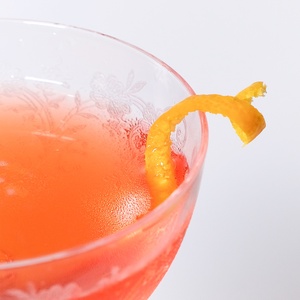
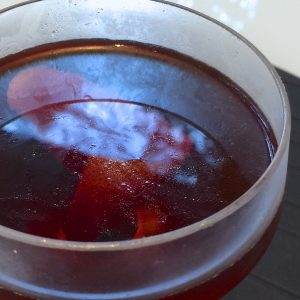
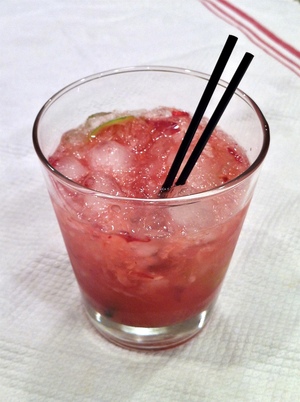
It may be long overdue, but we are finally getting around to posting about the El Presidente cocktail. We mentioned this drink way back in November 2009 but never provided a recipe. That's because it was one in a list of several classics you could make with grenadine and we placed our focus on a homemade recipe for this wonderful syrup. It's been a while since we've touched on this ingredient, and even though the El Presidente contains just a tiny portion of the stuff, there are plenty of other great classics that employ pomegranate syrup to sublime effect. Of course, you have to use the real deal, not an artificially flavored bottle of corn syrup. It seems appropriate to briefly revisit the details.
The sad truth is that the most common store-bought brand of grenadine is excruciatingly bad for cocktails. It’s supposed to be a syrup based on real
Click here and take a bigger gulp of this article. . .
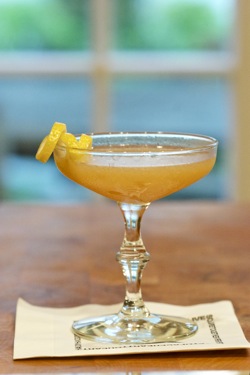
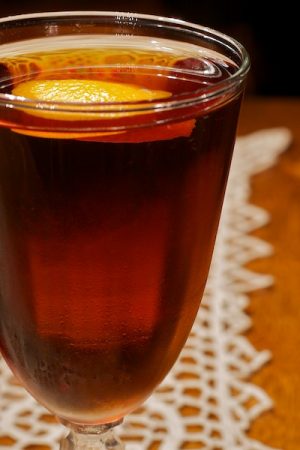
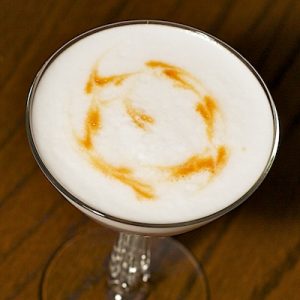
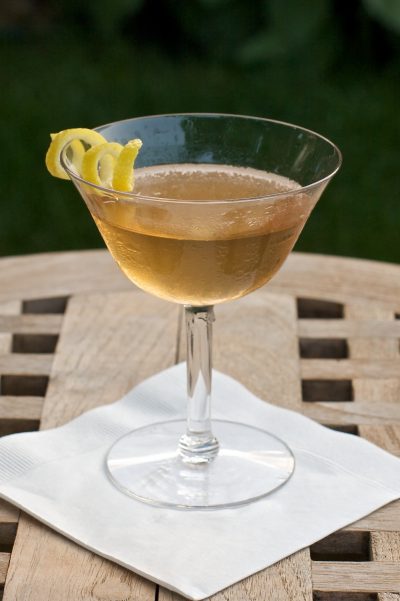
David Wondrich calls it "New York's answer to the Sazerac." If you're a fan of that drink, you probably know that it comes from New Orleans. A true cocktail in the original definition of the word, the Sazerac features whiskey, sugar, water and bitters, plus a little absinthe—a fantastic classic. And since New York was originally a Dutch colony, it makes sense that their version would involve gin—but not just any gin. If we stay true to the period in which this was created, that gin would have been Dutch genever. It would be fair to call this the Improved Holland Gin Cocktail.
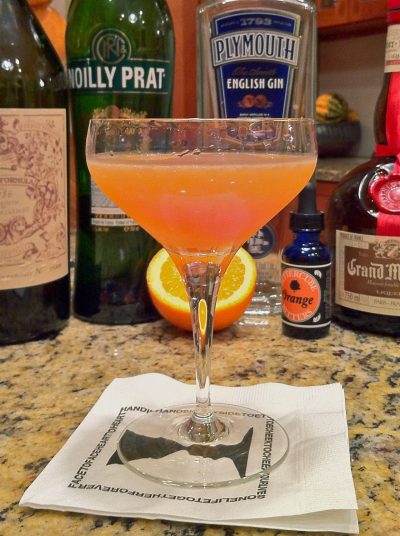
Not long ago, we explored genever in the Bols Alaska cocktail, so here's another fun way to use it. If you've been thinking about adding genever to your cabinet, let me tell you,
Click here and take a bigger gulp of this article. . .
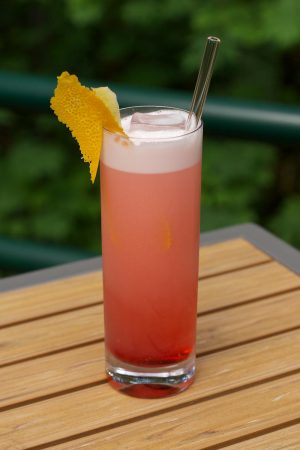
As the end of October draws near, I continue to feature the scary, the evil and the ghoulish for your Halloween drinking pleasure, even if it's just the names that are creating all of the fun. Perhaps the Diablo wasn't scary enough for you last week, or the tequila was too diabolical for your frightened taste buds. If you decided to keep your distance, I encourage you to get a lot closer to our fiendish devil this time. I'm not asking you to shave his goatee, but consider the inspiration that led to two versions of our Drink of the Week, the Satan's Whiskers cocktail.
That's right, this is a two-for-one recipe because history has recorded two slightly different ways to concoct this drink. According to Harry Craddock's eponymous tome The Savoy Cocktail Book, the hair on Satan's beard is either straight or curled. Thankfully, your preference
Click here and take a bigger gulp of this article. . .
I wanted to write a few words about my experiments with Punch. As the tagline suggests, Summit Sips is about exploring the mysteries of mixology. Whether or not you like the word "mixology", I don't advocate consumption of alcoholic beverages to get "drunk". I see it more as a culinary pursuit to find a balance of flavors and to pair ingredients in unique (or sometimes classic) ways. Semantics aside, there's always the benefit of five o'clock refreshment, and sometimes the goal is to lubricate the social gears of a party to stimulate mingling and conversation. In any case, Punch is a great way to explore exotic flavor combinations.
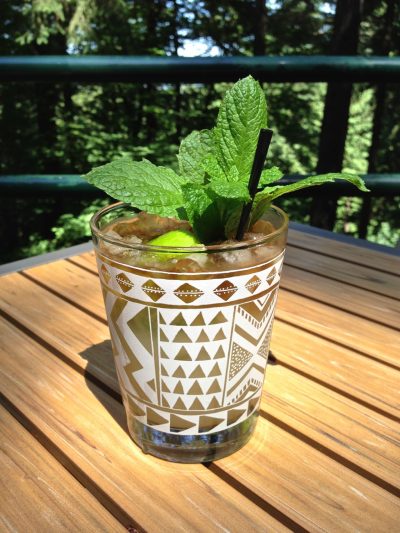
Punch is a borrowed word from the Hindi panch which itself came from the Persian word paantch meaning five, to represent the five typical ingredients in this early beverage: alcohol, sugar, lemon, water and tea or spices. It was brought back to
Click here and take a bigger gulp of this article. . .
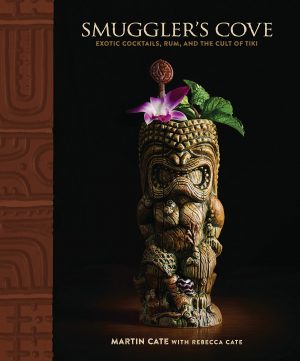
This week I am featuring a cocktail that has been a long time coming and usually ranks as a favorite among cocktail enthusiasts. Actually, I posted the original recipe for this cocktail last year, but this version is a little more accessible. In fact, it includes one of the first homemade ingredients I ever made. Once you've whipped up a batch of special syrup, you can finally mix the Drink Of The Week, the delicious Mai Tai.
Trends come and go, and this was certainly the case with the Polynesian tiki craze of the 1950s. However, in the current mixolgy movement there is plenty of room for tropical cocktails, and with so many rums and other ingredients available, tiki culture is bigger than ever! And why shouldn't it be? Tiki cocktails are among the most complex, most ambitious, and most flavorful concoctions out there. Multiple rums in one drink,
Click here and take a bigger gulp of this article. . .
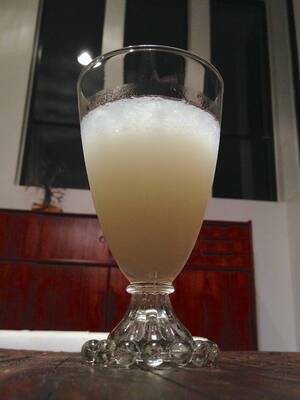
Inspired by Doug's Pegu Blog, this week's Drink Of The Week is a classic that has gained some momentum in recent years. The Pegu Club Cocktail originated at the Pegu Club (naturally) in Myanmar (Burma). The club was built in the 1880's as a Victorian-styled gentleman's club to serve the British colonials of the day. Of course, the club itself is long gone, but we do have the cocktail which has inspired more folks than just Doug. In New York City, a different Pegu Club was recently established, paying tribute to this great drink with their name. The New York Pegu Club has also played an important role in the current cocktail revival.
I am going to say it right off the bat: It's a gin cocktail. Now that we have it out in the open and before you run for the hills, think about this: How
Click here and take a bigger gulp of this article. . .
Chimp In Orbit, huh? This ought to be good! I admit, it's a really odd name for a drink. So, why monkeys in space?
This week in history. . . I was researching this week in history and found a few things that seemed thematic to me, although not every story has a good ending. First, on this day in 1986, the Space Shuttle Challenger exploded. I know, it's not a happy event, and it's certainly not an image most of us will forget. So, let's just get the sad stuff out of the way first. In the coming week on February 1, 2003, the world watched in shock and disbelief as the Space Shuttle Columbia broke apart on re-entry. Again, it's another sad day for the space program. Meaning no disrespect to those brave spacefarers who lost their lives, there were a couple positive achievements that also occurred.
Click here and take a bigger gulp of this article. . .
These days, not many people can justify spending $100 on a bottle of wine, and for most of us, even $20 is enough to feel pretty uncomfortable. The same goes for cocktails. While retail establishments might offer drink specials to keep customer's "happy" to spend an "hour" or more after work, it's no surprise that the rest of us are spending more time drinking at home. So, how can the mixologist save even more when trying to build up a home stock? The short answer: Rum.
Retail Comparison First, you need to consider the fact that bars and restaurants provide a lot more than just a markup on cocktails—they offer a service that includes mixing the drink (sometimes with expert precision), serving it in appropriate glassware, fancy garnishes, and an unbeatable selection of spirtits, modifiers and mixers that can be hard to match when you stay at home. Of course,
Click here and take a bigger gulp of this article. . .
|
 Antique/Vintage Store Spotlight:

|